My fieldwork in Latvia came to an end this week with a stay in Daugavpils. Located in the southeast of the country, close to the borders with Belarus and Lithuania, Daugavpils is Latvia’s second-largest city, with around 80,000 inhabitants. For my research, it is particularly relevant because the vast majority of its population is Russophone.
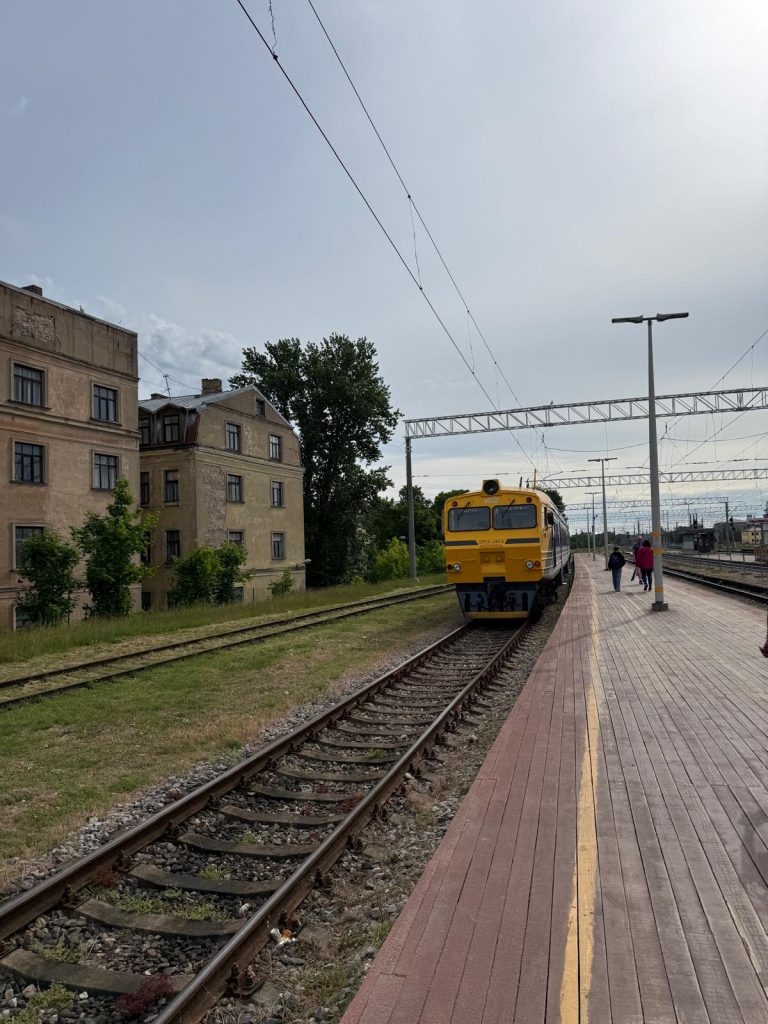
Together with my assistant, I spoke to more than 30 people in various locations throughout the city. We approached people sitting on benches in parks and along the main street, but we also received help from an employee at the USA Information Center. Since they hosted events in the late afternoons, we were able to interview some of the participants before the sessions began.
This led to one of the more surreal moments of the week. Just minutes after interviewing people about their media use, their trust in news sources, and their views on Latvian politics, I found myself listening to a presentation by an employee of the American embassy about the state of Texas, complete with pictures of barbecue and Texas Longhorn cattle.
Although I still need to sit down and carefully review all the interview summaries, one difference immediately stood out. The conversations in Daugavpils felt noticeably different from those in Riga, and even from the interviews I conducted in Estonia last year. Respondents were generally more cautious in their answers. Whereas people elsewhere often responded immediately to questions, interviewees in Daugavpils frequently paused to think and seemed to weigh their words carefully before answering.
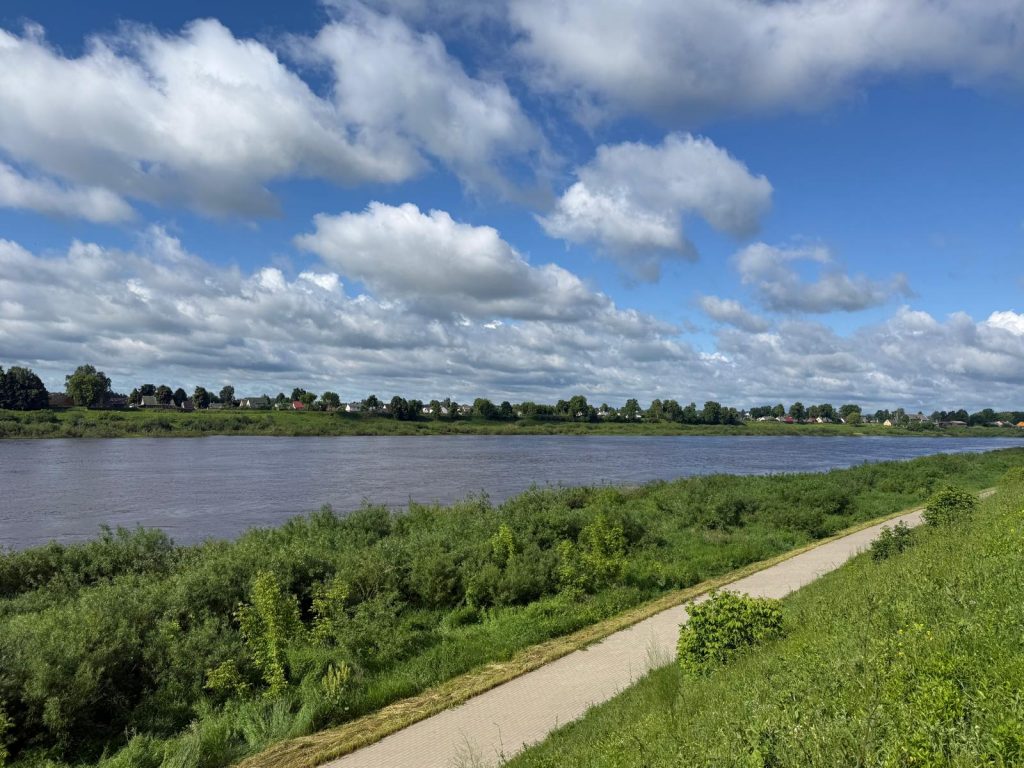
This raises an interesting question: to what extent are people expressing exactly what they think, and to what extent are they giving answers they perceive to be socially acceptable or safe? Of course, it is impossible to know for certain, but the broader context may help explain some of this caution.
Discussions about media and politics are particularly sensitive in Daugavpils. Since Russia’s full-scale invasion of Ukraine, tensions have increased in a city where most inhabitants are Russophone and where government policies have sought to reduce the use of the Russian language in public life, including in the media sphere. More recently, reports of Ukrainian drones entering Latvia have further heightened security concerns. For many people in Daugavpils, the war in Ukraine is no longer something they can choose to ignore, as it feels increasingly close to home.
With the interviews completed, my fieldwork in Latvia has officially come to an end. The next step is to work through all the interview summaries and see whether these first impressions hold up and how they can help to make sense of my survey results.